Second-Generation Migrants: Between Two Inner Worlds

For the children of migrants, life is often lived on a threshold. At home, they are immersed in the language, customs, and values of their parents’ homeland. Outside, they are shaped by the culture of the country where they are growing up. This dual existence can enrich their identity—but it can also feel like being pulled in two directions at once; Second-Generation Migrants: Between Two Inner Worlds.
Many second-generation migrants speak of feeling “too foreign” in one world and “not enough” in the other. At school or work, they may feel different from their peers; at home, they may feel disconnected from their parents’ expectations. Love and loyalty to family can come into conflict with the desire to belong fully to the society around them.

From a psychoanalytic perspective, this tension creates a unique psychic landscape. Children often become translators—not just of language, but of culture and emotion. They carry their parents’ hopes and sacrifices while also struggling to form their own independent identity. At times, this can lead to guilt, confusion, or a sense of invisibility.
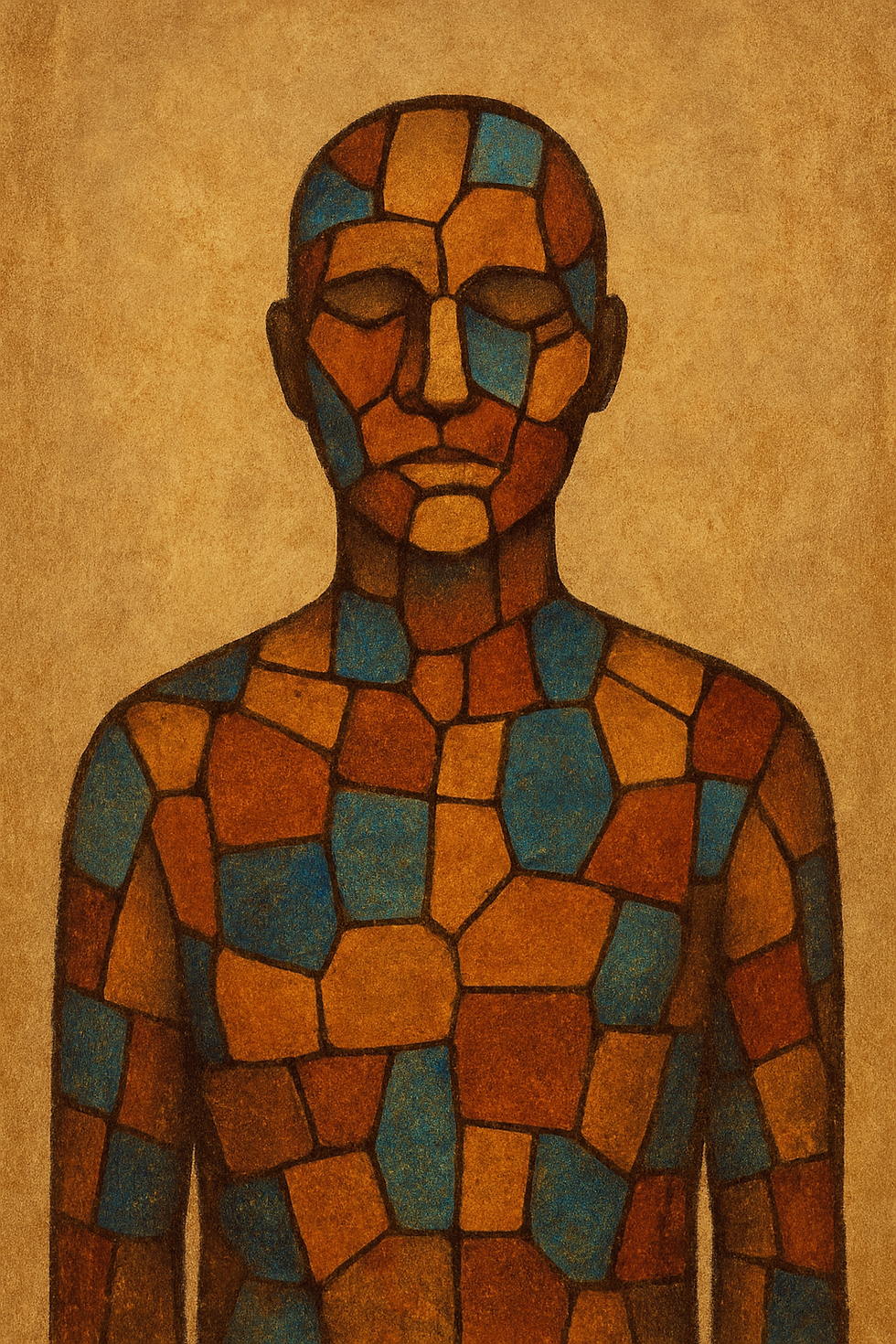
Yet, the position of being “in-between” can also be a source of strength. Second-generation migrants often develop extraordinary adaptability, empathy, and creativity. By weaving together two cultural threads, they can create identities that are both complex and resilient—capable of belonging in more than one place, and sometimes in places that do not yet exist.
Therapy offers a space for these young people to explore the challenges of living between worlds, to voice the conflicts they often carry silently, and to embrace the richness of their hybrid identities.
If you find yourself or your children navigating the tension of two worlds, therapy can offer support in transforming this struggle into a deeper sense of self.


Comments