Fragmented Identity: Living Between Cultures
Migration often reshapes not only where we live, but also who we feel we are. Many migrants describe a sense of being split—part of them belongs to the culture of origin, while another part adjusts to the new one. Over time, identity can feel fragmented, as if the “self” is scattered across multiple worlds.
This fragmentation may appear in small, everyday moments: speaking one language at home and another outside, behaving differently with family than with colleagues, or switching values depending on the cultural setting. While these shifts can be adaptive, they may also leave the migrant wondering: Who am I, really? Where do I belong? ; Fragmented Identity: Living Between Cultures.
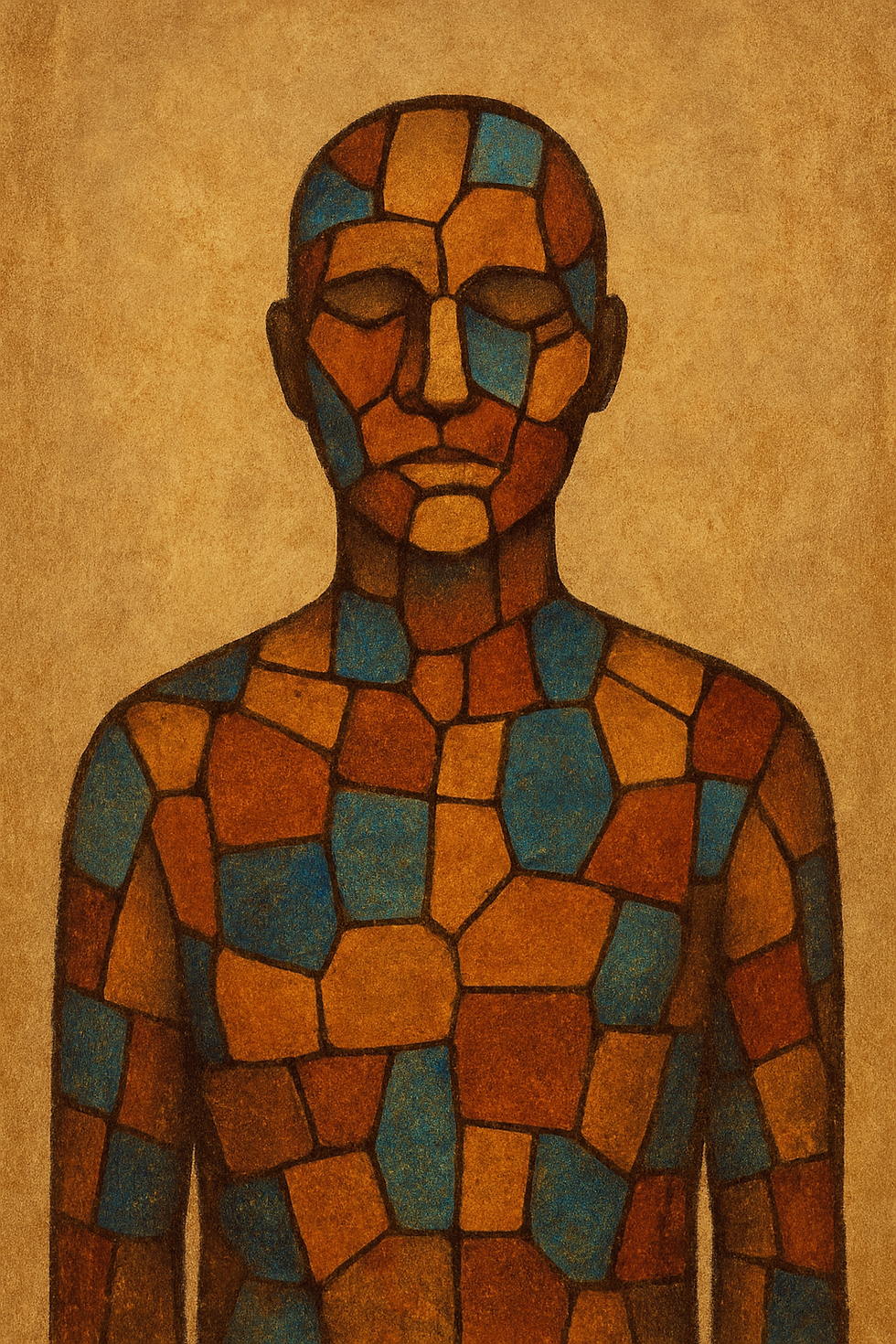
From a psychoanalytic perspective, this experience is more than confusion—it reflects the deep psychic work of negotiating multiple identifications. Each culture offers models of how to live, love, and succeed. The migrant, carrying traces of both past and present, must find a way to integrate them without losing the richness of either.
At times, however, the self may feel torn. Feelings of inauthenticity, alienation, or invisibility can arise. It is as though the psyche is forced to perform different versions of itself, without a unifying core. This is the painful side of living between cultures.
Yet fragmentation also holds creative potential. To carry more than one culture can allow for greater flexibility, empathy, and depth of perspective. What first feels like a fracture may eventually become a mosaic—a more complex identity that reflects the fullness of lived experience.
Therapy offers a space to explore this inner division, to mourn the losses that come with it, and to help weave the pieces into a more integrated sense of self.
If you find yourself struggling with a fragmented identity, therapy can offer a supportive space to gather the scattered parts of your story into a more coherent whole.


Comments